Your cart is empty


Total: 2684
/
2684

In this lesson you can learn about proteins and their role in the human body.
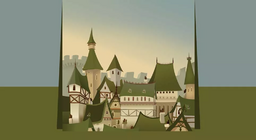
This lesson introduces you to medieval university life.

In this lesson, you will learn about the deadliest pandemic of medieval Europe caused by plague.

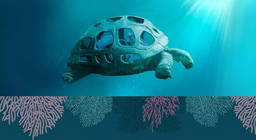
The environmental issues affecting our planet are constantly worsening.

You can learn about the population issues present in developing countries.

Learn about the legendary British statesman, one of the most significant historical figures of the 20th century.
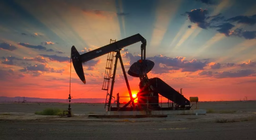
Today, natural gas and petroleum are the most widely used raw materials and sources of energy.
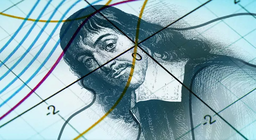
A lesson about René Descartes, an important 17th-century scientific thinker.

Learn about the functions of the human immune system.
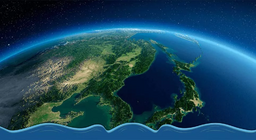
In this lesson, you will study the topography of oceans both on the surface and at seabed level.

Let's learn about the factors that cause the world ocean to move.
What would the world be like without friction?
Learn about the problems people face in the most and least livable cities.

Which laws of physics make it possible for the cars to become faster and for the drivers to be safe?

A few examples of animals and plants that can change their colour.
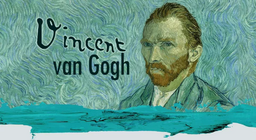
Meet Vincent van Gogh, one of the greatest figures of post-impressionist art.

Learn about redox reactions through well-known and lesser-known chemical processes.
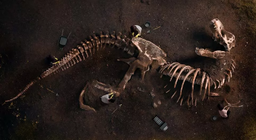
A lesson about the formation, types and importance of fossils.
The average life conditions are relatively good in developed countries, however, they must face numerous population problems. How do they cope with these?
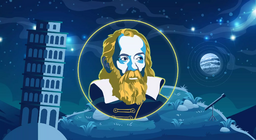
Albert Einstein called him the 'father of modern science' because he managed to unite measuring, calculation and thinking.

Amusement parks are not only fun, but you can also find the answers to some scientific questions there.
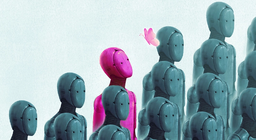
You can learn about a community living in the future that renounced their memories and freedom in order to create a perfect society.