Your cart is empty


Total: 2684
/
2684
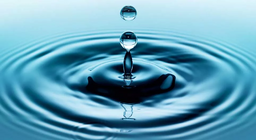
Learn how fluid molecules interact with each other and their environment.
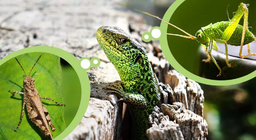
In summer, meadows are full of noisy bugs. Like always, if there are a lot of bugs, there will be a lot of animals feeding on them as well.
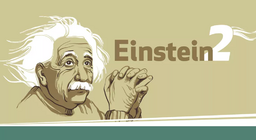
In this lesson, you can get to know some interesting facts about flows of fluids and gases.
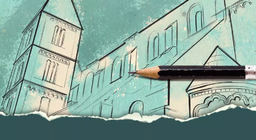
Romanesque art was a style of medieval art based on classic Roman art.
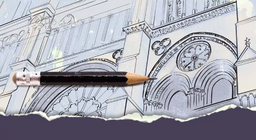

Nuclear fission is widely used to produce energy. How can it be started and controlled?

The theory of relativity explained like you've never seen before.
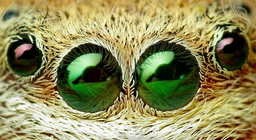
The European garden spider and the castor bean tick live at the shrub level of temperate forests.

In this lesson, you will learn about waterfront plants and what they can be used for.

In this lesson, you can learn about various herbs and spices.

Learn about animals inhabiting rivers, lakes and their shorelines.
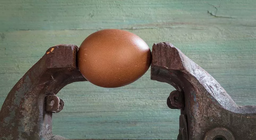
In this lesson, you will find answers to questions about the pressure of solids, liquids and gases.
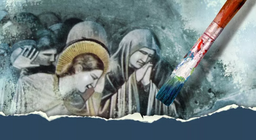
The Renaissance, which originated in Italy, was inspired by Ancient Greek and Roman art.

Energy exists in many different forms. Each form can be converted or changed into the other forms.
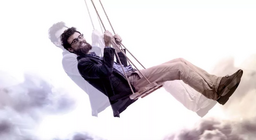
A digital lesson that gives an overview of vibrations for high-school students.
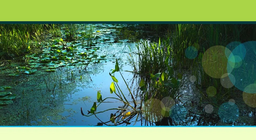
Near the waterfront, vegetation is greener and more abundant than in the centre of the lakes.
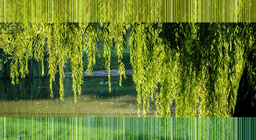
Environmental conditions, and therefore, vegetation along the shore are different from those in the water.

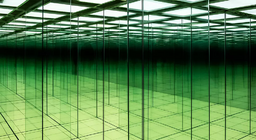
How do plane and curved mirrors form images? You can learn about it in this lesson.

How do optical devices magnify the image of a distant or a very close object?
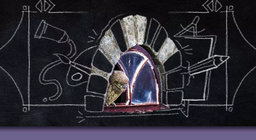
A lesson about the changes in the shape and function of windows from ancient times to the present day.