Jūsu grozs ir tukšs


Kopā: 2547
/
2547

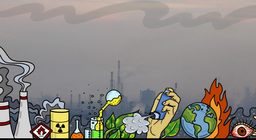
The ozone layer protects the Earth's surface from harmful ultraviolet radiation; however, the presence of ozone near the surface is dangerous.
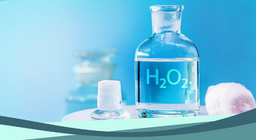
An unstable chemical compound consisting of hydrogen and oxygen.

Learn about the history of banks and their main services.

Learn about the main events and results of the French Revolution.

How can others see me? Why cannot they spot me? These are very important questions when being on the road.
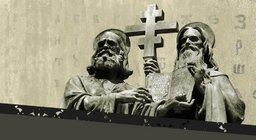
Learn about the Byzantine missionary brothers who created the first Slavic alphabet.
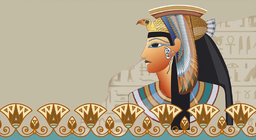
Learn about the Egyptian queen Cleopatra, one of the best-known women in Ancient history.
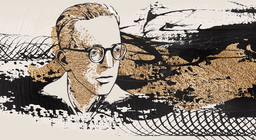
Learn about one of the most significant Bulgarian writers of the 20th century.
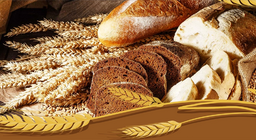
Follow the journey of wheat from the field to the dining table.
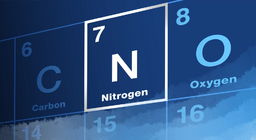
Nitrogen comprises 78% of the air and is indispensable for living organisms.
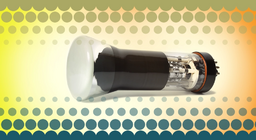
Learn how physicist found out that atoms are divisible.
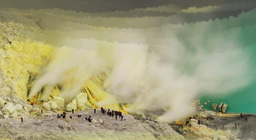
In this lesson, you will learn about the characteristics of hydrogen sulphide.
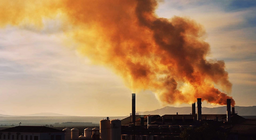
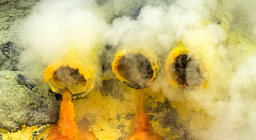
Toxic compounds that cause acid rain and are utilised as industrial raw materials.
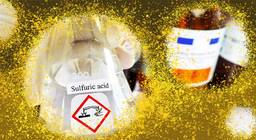
The most widely produced oxyacid that has a corrosive or passivating effect, depending on its concentration.
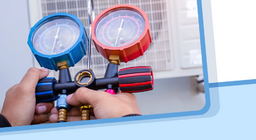
Some processes cool the environment, while others heat it.
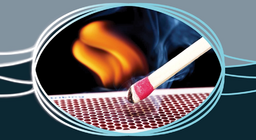
An element capable of self-ignition that plays an important role in the stiffness of our bones and in biological inheritance.

The age of Earth was debated for centuries by numerous outstanding scientists from different fields.
For thousands of years, scientists have wondered if the events around us are determined by causality, randomness or supernatural powers.