ตระกร้าสินค้าว่างเปล่า


รวม: 2531
/
2524

The lesson presents the difference between crime and deviance, as well as the role of social reactions.
Software refers to the programmes that instruct a computer what tasks to execute.

This lesson presents how Henry the Navigator launched the Age of Discovery.

The functioning of the human body and a car is similar: both use an external energy source whose energy is transformed by internal processes into the energy required for operation.
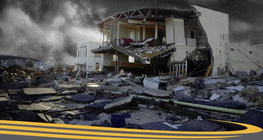
This lesson presents the formation, dynamics, and devastation of hurricanes through the story of Hurricane Katrina.




In this lesson, you will learn how to make an electromagnet using simple tools and how an electric current produces a magnetic field.



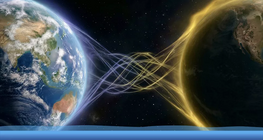
In this lesson, you will learn what kind of danger damage to the ozone layer poses to life on Earth.

This lesson introduces the positive and negative consequences of living in tectonically active areas.

In this lesson, you will learn about the natural and anthropogenic (human-induced) causes of soil erosion.

This lesson helps you understand how to recognise inequality and what you can do to address it.
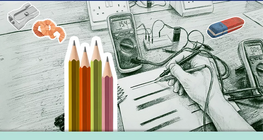
This lesson presents how the conductivity of graphite is influenced by size, pressure, and the composition of the pencil lead. You will also learn about the basics of resistance and electrical conduction.

A tree can lower the temperature of its surroundings through shading and evaporation. In fact, its natural, energy-efficient cooling effect can be as powerful as several air conditioning units.
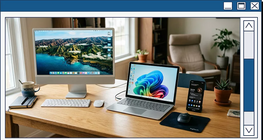
Operating systems do not all work in exactly the same way, but they share some basic principles. Understanding these is important for using your computer efficiently and safely.
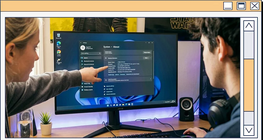
Let us take a look inside the "Settings" and explore the important options that allow you to control how your computer works and personalise it to suit your needs.